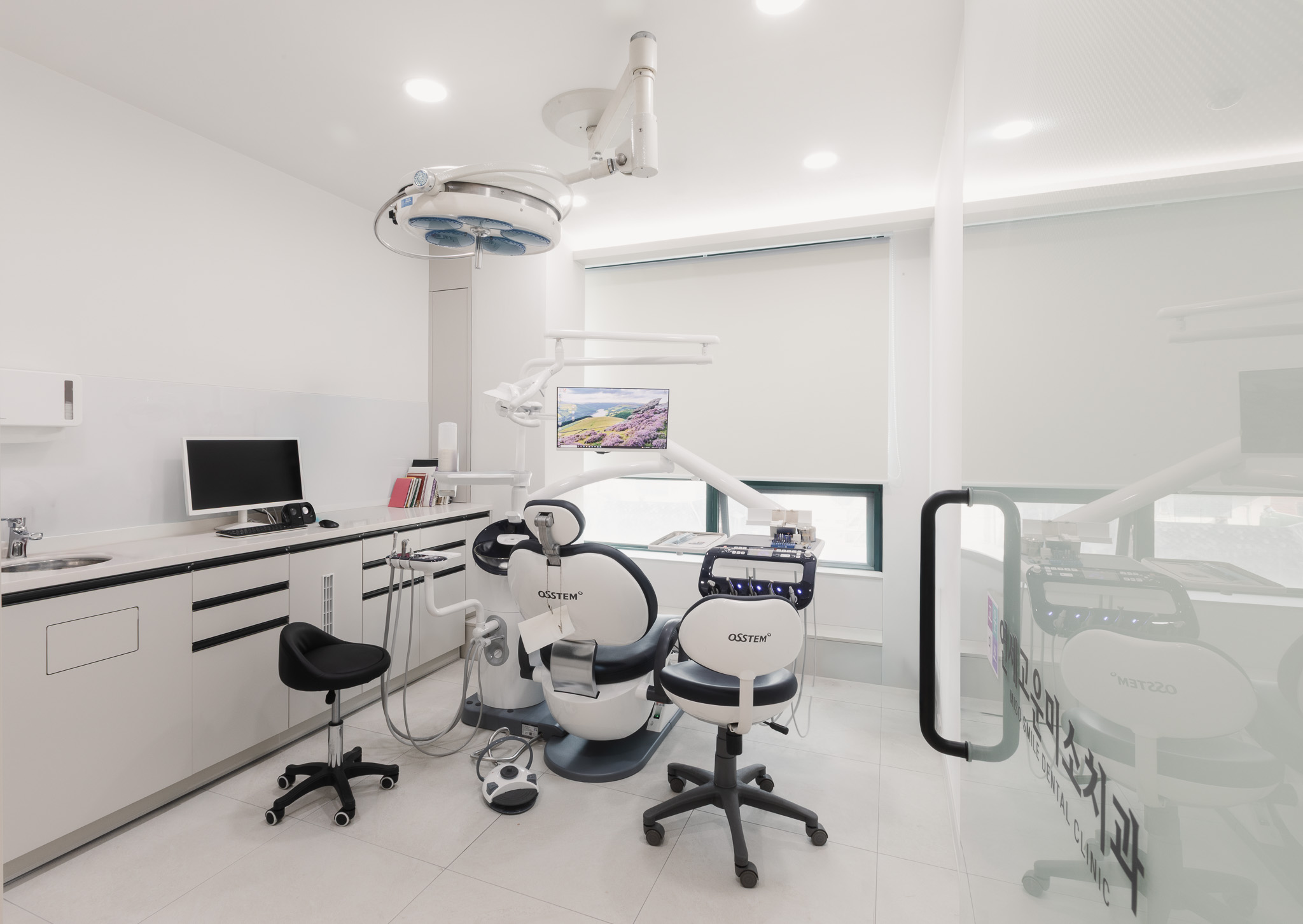
Gently tapping a tooth, called percussion, checks how the tissues around its root respond to stimulation. Your dentist compares the sensation with neighboring teeth; pain during this test alone does not determine whether you need root canal treatment.
What Is Being Checked When the Outside of a Tooth Is Tapped?
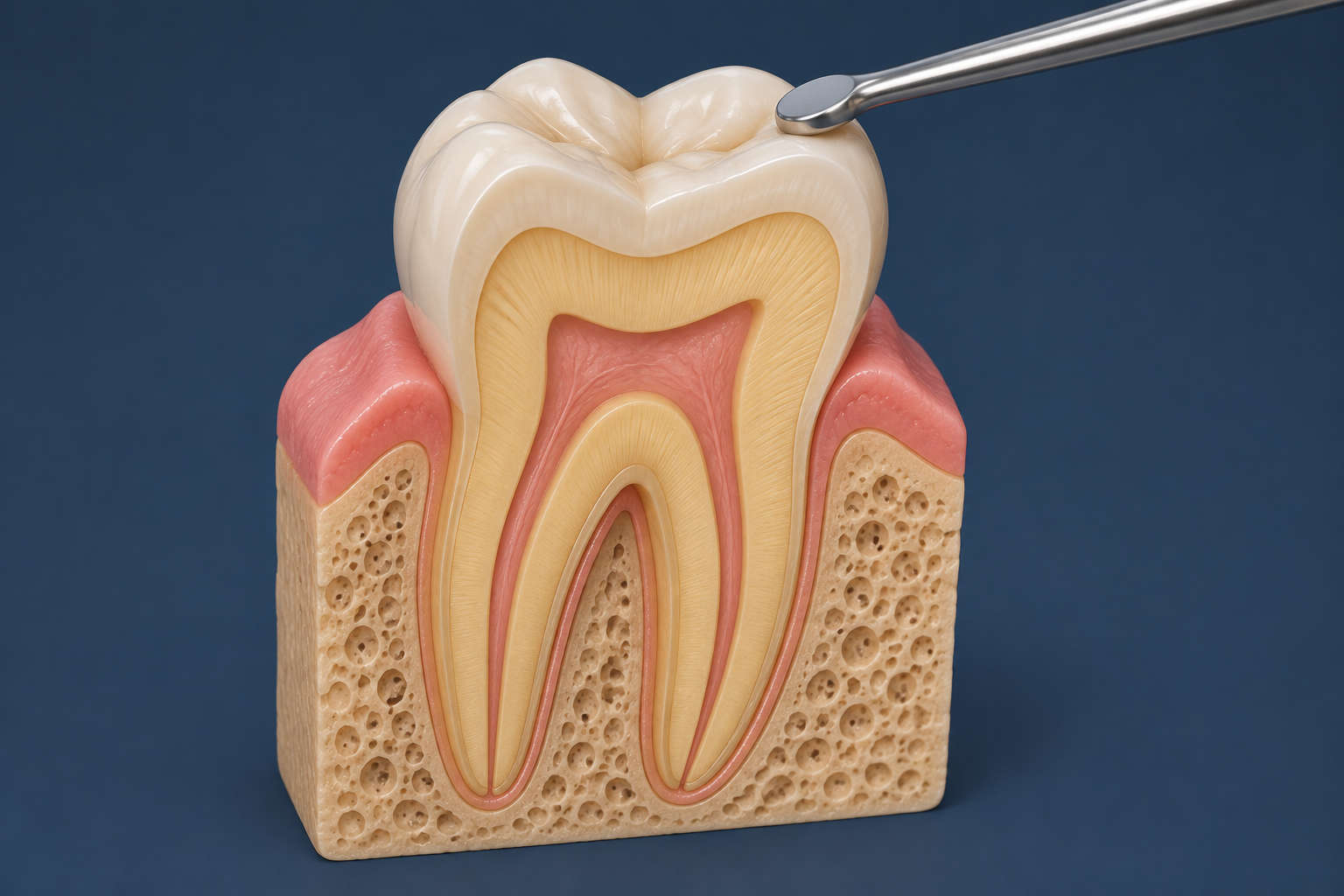
Gently tapping a tooth with a rounded instrument, such as the handle of a dental mirror, is called percussion.
A thin tissue called the periodontal ligament lies between the tooth root and the bone. If inflammation develops in this area, even a small stimulus may cause aching or discomfort. Percussion checks the response of these tissues around the root.
Why Tap the Neighboring Teeth That Do Not Hurt?
Testing only the tooth you identify as painful leaves little basis for comparison. Usually, your dentist first checks the response of teeth that appear normal, then compares how the uncomfortable tooth feels.
Repeated questions such as “Does this one hurt too?” help the dentist understand that difference. It helps to say whether you simply feel the instrument touching the tooth or whether a particular tooth feels more uncomfortable.
Does Pain When a Tooth Is Tapped Mean It Needs Root Canal Treatment?
That response alone does not decide it. Percussion does not directly measure whether the nerve tissue inside a tooth is alive. Your dentist also needs to consider when the pain began, what brings it on, and the results of other tests.
When needed, your dentist checks the sensory response inside the tooth to cold or a mild electrical stimulus and examines the area around the root on X-rays. Each test provides different information, so no single result is used to establish the cause.
What to Tell Your Dentist During the Test
Describe the differences you feel, for example, “That tooth felt more uncomfortable than the one next to it,” or “It feels similar to the pain I get when chewing.” If there is no pain, say so. It is also fine to say that you find it hard to tell the difference.
Also explain whether the pain was already ongoing before the test or occurred only when chewing. Adding this information to your brief response to percussion helps the dentist assess the cause.
References
Alongside the consultation questions in Tooth Notes, explore our clinic's information about related treatments.
Medical Information & Disclaimer
This article provides information to help you understand dental care in general and prepare for a consultation. It does not replace an individual diagnosis or treatment. Suitable treatment options, duration, outcomes, and side effects may vary depending on your oral and overall health. If you have symptoms or are deciding on treatment, please consult a dentist.
Related Information
Tooth Notes offers consultation preparation content run by Yonsei Goun Miso Dental Clinic, Sinchon Branch 1, which has provided care in Sinchon since 2003. For information about the clinic's dental care, visit the official website.
What to Bring to Your First Visit · Opening Hours & Directions
The image is an AI-generated 3D simulation to aid understanding. It is not an actual clinical record or CAD data for fabrication.